Older grownups hold a life time of stories, and much of them depend on family or professional caregivers for the following chapters. When a dilemma hits, the minutes before an ambulance gets here are usually the distinction in between a frightening scare and an irreversible loss. That is why targeted first aid training and a functional CPR course are not simply nice-to-have certifications on a wall. They are abilities that help individuals sleep better during the night, because they understand what to do when it counts.
I have actually educated first aid and CPR to retirees in their seventies, night-shift treatment workers in their twenties, and grown-up day care for parents with intricate conditions. The best classes meet people where they are. Elders have various dangers and physical abilities than teenagers on a sporting activities field. Caregivers juggle medication schedules, assistive gadgets, and home formats that were never ever developed for emergency situation simplicity. An effective first aid course addresses those realities, constructs muscle memory, and trims away anything that squanders time.
What adjustments with age changes the response
Most emergency care concepts remain constant across ages, yet the body of an older adult behaves in a different way under tension. Flow can be slower, bones extra brittle, lungs much less flexible, and drugs much more complex. The same fall that leaves a teen with a bruise can put an elderly in the health center with a hip fracture and internal blood loss danger. Dehydration, even light, increases the opportunity of lightheadedness and https://judahfemv973.cavandoragh.org/hltaid011-give-first-aid-what-this-training-course-covers confusion. Orthostatic hypotension turns a regular standing movement into a passing out hazard.
Cardiac arrest in seniors regularly adheres to hidden heart problem, heart rhythm conditions, or difficulties from stroke. CPR training for this group should highlight very early acknowledgment of agonal breathing and unresponsiveness. Individuals usually wait since the breathing looks "not rather normal." Trust fund the formula. If someone is unresponsive and not breathing usually, start breast compressions and send for an AED.
Choking looks different too. Partial respiratory tract obstruction may be silent, simply weak coughing and a panicked look. Dentures can make complex the seal for rescue breaths. Stomach drives continue to be efficient for conscious adults, yet rib fragility indicates great instruction on method and pressure issues. The objective is to displace, not to injure. I have actually seen tiny caregivers move bigger individuals successfully by using position and leverage rather than raw strength.
The right first aid and CPR course for senior citizens and caregivers
Not all first aid courses are created with aging in mind. When you try to find first aid and cpr courses, favor programs that feature geriatric scenarios, mobility limitations, and home-based emergencies. A weekend wild class is exceptional for walkers, however it might not cover drug communications or oxygen equipment.
A strong first aid and cpr course for this audience tends to consist of the following:
- Hands-on CPR training with high-feedback manikins, plus AED practice and recognition of agonal respirations. Choking action for seated and wheelchair-bound individuals, including adaptations when you can not get behind the person easily. Fall analysis, head injury red flags, and risk-free movement techniques to avoid more harm. Medication emergency situations, from insulin mishaps to anticoagulant blood loss, consisting of how to communicate critical details to paramedics. Environmental hazards in your home, such as burns from hot water, carbon monoxide direct exposure, and warmth tension during power outages.
Those are not just topics on a slide. In a useful first aid training session, you will certainly rehearse them in genuine settings: at an eating chair, beside a pedestrian, on a shower room flooring. You will certainly find out to analyze without pulling a person upright. I such as to run drills where the "living room" has a coffee table to browse and an area rug to journey over, because that is where most cases actually happen.
If you operate in an organization that calls for proof, look for an accredited first aid certificate tied to an acknowledged body. Several providers bundle a cpr course into the same session, issuing different CPR certificates if required. For anybody who earned qualification a while ago, a cpr correspondence course brings you back to current methods and freshens muscular tissue memory. Abilities degeneration is foreseeable. Six to twelve months after training, performance drops sharply without practice, which is why periodic cpr courses matter.
CPR, AEDs, and the facts of older bodies
High-quality upper body compressions still drive the scientific research. Push set in the facility of the breast, permit complete recoil, minimize disturbances, and make use of an AED as soon as it shows up. With seniors, you will certainly occasionally hear or feel ribs offer. That is dreadful in the minute however not a factor to quit. The top priority is flow to the mind and heart.
Depth and price assistance as educated in a standard cpr course uses, yet body habitus and upper body tightness can make it more difficult to strike targets. I train caregivers to place themselves so they can use the weight of their upper body instead of arm strength alone. Kneel close to the breast, lock the joints, and let gravity do its share. For frail rescuers, a 2nd individual ready to switch every 2 mins makes a measurable difference.

AED use around dental implanted devices and pacemakers calls for precise pad positioning. If you see a swelling under the skin listed below the collarbone, put the pad a minimum of a few centimeters away, not directly over the device, and comply with voice motivates. Oxygen use in your home is common. If oxygen is moving, turn it away from the breast area prior to supplying shocks and make certain no energetic fires nearby. Excellent first aid and cpr courses cover these quirks in useful terms.
Choking risks, ingesting problems, and what to do
Choking rankings high in home emergencies for elders, particularly those with dysphagia after stroke or Parkinson's disease. I have been phoned call to homes where the event began innocently with a dry cookie or a badly positioned pill. Prevention is gold: smaller sized bites, mindful stance, and enlarged fluids when suggested. Still, drills matter.
If an aware person can not cough, talk, or take a breath, and is showing the global "hands to throat" sign or looks worried and quiet, act quick. Alternate abdominal thrusts with back impacts if required and think about the seated Heimlich variant when the person can not stand. If the individual ends up being less competent, call for assistance, begin CPR, and check the mouth for noticeable blockages in between collections of compressions. Do refrain blind moves. Dentures need to stay in place unless they have actually come loose and are blocking the air passage. In a wheelchair, turn the chair in reverse versus a wall surface or safe and secure surface to make space for inward and higher thrusts, or transfer to the flooring if secure and practiced. This is a step best found out in a first aid course with a teacher who recognizes assistive equipment.
Falls: avoiding the crisis, then replying to it
Most caretakers are afraid "the huge autumn." The better path is monotonous avoidance: good lights, no loose rugs, hand rails that an individual will in fact grab, and footwear that grip. Area a sturdy chair with arms in places where somebody could require to pause. Hydration and arranged toileting prevent those hurried midnight journeys that end badly.
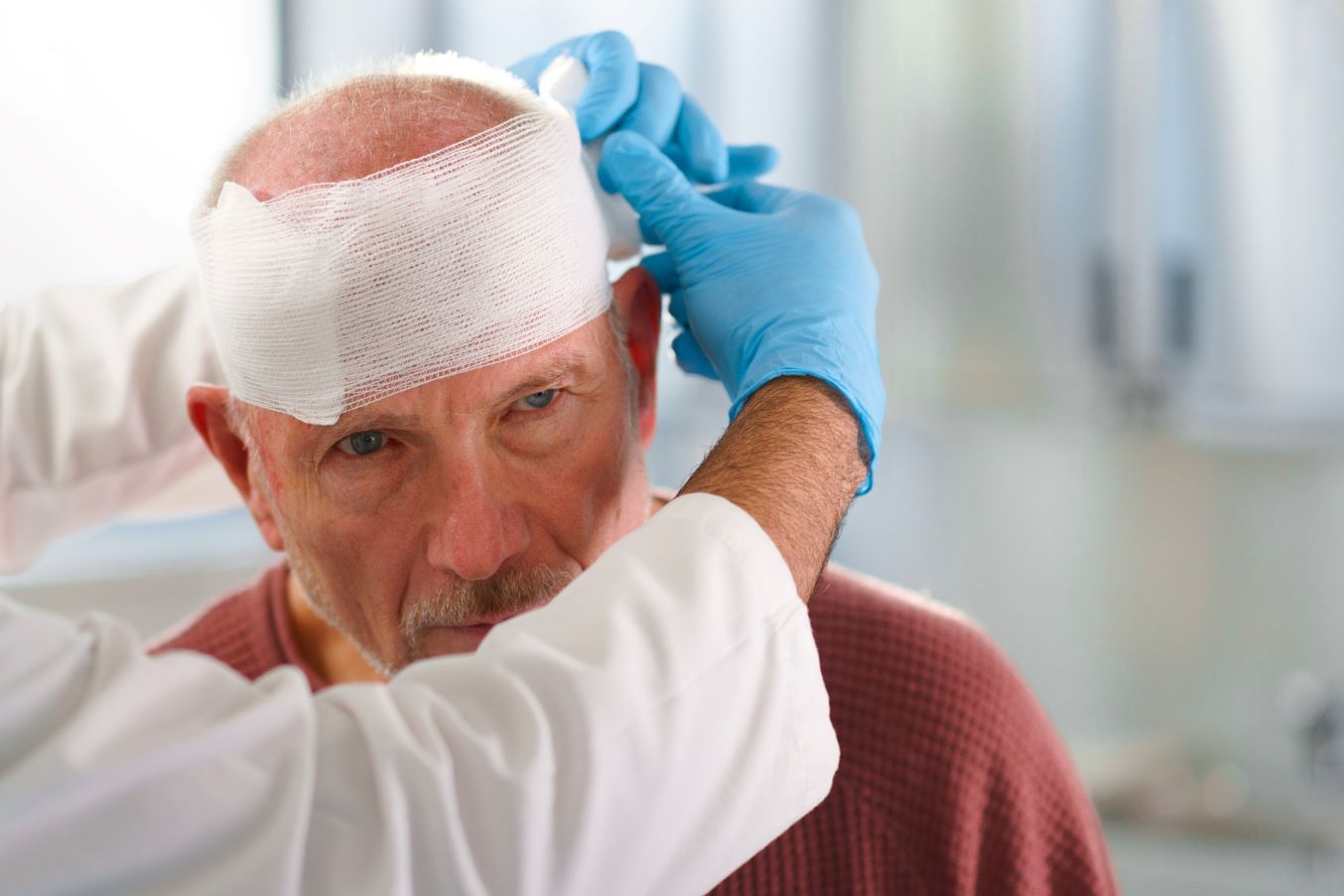
When an autumn happens, stand up to first aid certification programs the urge to carry somebody up. Ask what injures, seek deformity, swelling, or bleeding, and look for head injury signs such as confusion, vomiting, or drowsiness that is out of personality. If a person gets on a blood thinner and strikes their head, ask for medical analysis even if they appear fine in the beginning. Interior blood loss can hide for hours.
Moving someone with a suspected hip crack can get worse damage. If there is no immediate threat, maintain them cozy and still, pad bony areas with folded towels, and let emergency -responders deal with the lift. If you should move them far from a risk such as a warm stove or an entrance, utilize a draw sheet approach with 2 individuals when possible. A good first aid training session will certainly have you exercise this slide instead of a dead lift.
Medical problems that transform first aid decisions
Care for senior citizens is typically care for comorbidities. Medications, implanted tools, and chronic illness form what you do next.
- Anticoagulants and antiplatelets: Hemorrhaging danger rises. Also a minor head bump makes regard. For outside bleeding, apply firm straight stress with tidy towel or gauze. Elevation and stress factors include little if you are alone, so concentrate on stable pressure. Diabetes: Reduced blood sugar level triggers complication, sweating, shakiness, and sometimes aggression. If the individual is conscious and can ingest, 15 grams of rapid sugar such as glucose gel or juice is usually secure, even if you are not exactly sure. If they are sluggish or can not ingest, do not give dental liquids. Call for assistance. Note the moment and any kind of insulin doses. COPD and oxygen treatment: Placement of comfort matters. Lots of breathe finest while leaning ahead somewhat with supported arms. Do not get rid of prescribed oxygen unless you need to get rid of the location for an AED shock or a fire threat. Find out just how to review the circulation meter in your first aid course so you can restore it after the shock. Dementia: Communication can de-escalate or inflame a dilemma. Talk comfortably, one instruction at a time, and get on the exact same eye level. If an injury allows, let an acquainted individual remain in sight. Loud, fast talk can cause frustration and combative behavior.
These are judgment calls shaped by method. Case-based learning aids. In one class, we ran a scenario of a guy with atrial fibrillation on warfarin that dropped against a bookshelf. No noticeable bleeding, yet subtle complication emerged after five minutes of questions. The trainees learned to trust the modification from baseline and call for transportation, as opposed to chalk it approximately fatigue.
Home readiness: tools that actually obtains used
A first aid kit for senior citizens need to match the home's fact, not a magazine photo. I such as a low-profile wall-mount set near the kitchen area and a smaller sized pouch clipped inside a pedestrian bag. Supply what you know how to use.
- Non-stick dressings, rolled gauze, and natural plaster for vulnerable skin tears that raise like cells paper. A digital thermostat with huge screen, and a pulse oximeter if respiratory disease is present, identified with normal target ranges for that person. Glucose gel packages, oral rehydration salts, and a medicine listing that includes dosages, allergies, and prescriber contact. Nitrile handwear covers in several sizes, trauma shears, and a portable flashlight with fresh batteries. A door crucial safe or clear entrance strategy so -responders can get in without damaging the framework while you are hectic with CPR.
Two tiny notes that settle. First, a bright, legible checklist of emergency situation numbers on the fridge, including the bedside nurse line for home health or hospice. Second, a folder with advancement directives and a recent medicine settlement. In a situation, paramedics will thanks, and decisions move faster.
What terrific instructors do differently
The difference between a forgettable course and one that changes behavior is not a glossy slide deck. It is a trainer that speaks the language of the home, not simply the textbook. In a first aid pro session aimed at caregivers, I anticipate to see furniture moved around for situation realism, exercise with simulated vomit or spit, and time invested in exactly how to speak to dispatch without missing information while you work.
Great instructors coach confidence. The most effective first aid and cpr courses help seniors and caregivers believe, with reason, that they can act. That originates from rep and comments, not from fear techniques. High-feedback manikins, which show compression deepness and price, cut the ego and construct capability. Debriefs after each situation keep the tone helpful however honest. I tell individuals that excellent is unusual, and good done fast beats excellent done late.
If you deal with kneeling or have arthritic hands, say so early. A seasoned trainer will certainly provide adaptations, such as making use of a step feces for leverage during compressions or exercising group functions that suit your body. In one course, an individual with an integrated wrist ended up being the most effective AED driver and timer, calling buttons at two-minute marks and maintaining compressions on course with a metronome app.
Certification and refresher course rhythm that fits real life
Certifications expire for a factor. Standards evolve and memory slips. An usual pattern is two years for a first aid certificate and one year for CPR. If you are a household caregiver without an employer mandate, establish your own rhythm. I advise a first cpr course with AED, a shorter cpr refresher course concerning 9 to twelve months later on, and a full first aid and cpr course once again at the two-year mark. If you had to make use of CPR genuine, book a refresher course within a few weeks. The instant debrief aids, yet structured technique resets your baseline.
Make certain any online elements of first aid courses still include in-person skills checks. Watching a video clip can not change the feel of correct compression deepness or the awkwardness of rolling a person right into the recuperation setting on a difficult flooring. Combined designs function well: theory in your home, hands-on in a shorter session.

Legal protections and the worry of doing harm
Many caretakers are reluctant due to the fact that they stress over responsibility. Good Samaritan legislations in several areas secure lay rescuers who act in good faith within their training level. The spirit is simple. If you attempt to assist without gross negligence, you are unlikely to encounter lawful problem. CPR given swiftly either aids or does not change the result. Doing nothing when an individual is unresponsive and not breathing normally almost always finishes severely. A credible first aid course will assess regional regulations and the borders of your role.
Advance regulations can complicate the photo. If a valid Do Not Resuscitate order exists and available, follow it. Maintain duplicates where they can be discovered rapidly. In the absence of clear documentation, start life-saving treatment and enable responders to arrange it out on arrival.
Training as a common language between household and professionals
The smoothest rescues I have actually seen were not excellent. They were collaborated. The family member understood where the AED was, the home health assistant called dispatch with crisp responses, and the neighbor held the door and waved down the rescue. That level of calm coordination originates from shared training. If possible, take first aid and cpr with each other, or at the very least agree on that orders what during an emergency. Practice the very first thirty seconds. Who checks responsiveness, that calls, that brings the set, who relocates the pet dog to an additional room.
Care teams in assisted living settings benefit from the exact same clearness. Cross-train night staff that generally function alone. Put AEDs in predictable, labeled places with normal checks logged. Information from many centers show that AEDs conserve lives mainly when they are within a ninety-second walk from common locations and when staff feel confident utilizing them. Confidence is an item of course quality and constant practice.
Making training stick: after-class behaviors that work
Skills discolor unless you nudge them. Link micro-practice to routines you already have. Throughout a weekly television show, invest 2 minutes doing compression method on a padding while a metronome application ticks at the target price. Once a month, run a thirty-second drill to get the first aid set and AED without talking. Time it. Place a sticky note on your fridge with three bullet prompts for emergency situations: analyze responsiveness and breathing, phone call or send out for help and AED, begin compressions if not breathing usually. Relocate the note every period so you see it anew.
Reflect on near-misses. The moment your moms and dad virtually choked on completely dry poultry is a gift if you use it. Readjust meal appearance, stance, and supervision as necessary. Washable table mats beat elegant linens. A sippy-style cup may protect self-respect much better than a bib by preventing spills that result in slips.
Choosing a service provider and what to ask prior to you book
Shopping for first aid courses can seem like scheduling a hotel. The web sites look similar, everyone promises qualification, and costs differ. Ask sharp questions.
- How much time is hands-on with comments devices, not just lecture? Do you consist of situations with walkers, mobility devices, oxygen tanks, and limited home spaces? What is your trainer's history with senior citizens and caretakers, not just basic initial aid? Is the cpr training lined up with current guidelines and does it include AED practice? What is the plan for skills remediation if I fight with compressions or choking techniques?
If the solutions feel obscure, keep looking. The difference in course quality is substantial when you need it. A skilled first aid pro welcomes questions and can define adjustments without skipping a beat.
A last note on self-respect and calm
Emergency skills save lives, and they do something quieter also. They preserve self-respect. A caretaker that knows exactly how to stop, to breathe, to speak in full sentences while applying stress to a blood loss arm and asking a dispatcher for a projected time of arrival sends a powerful message. You are secure with me. We will certainly deal with this.
First help and cpr are not about perfection. They are about a chain of little, practiced acts under anxiety, performed by people that care. Seniors should have that. Caregivers deserve training that appreciates their reality. Select a program that deals with both with seriousness https://pastelink.net/353k22v6 and heart, maintain your first aid certificate present, and freshen your CPR abilities prior to they fade. When the difficult mins arrive, you will not be presuming. You will certainly be doing.